
01
.
Peaches, apples, sweet corn and tomatoes might come to mind when you think of Ontario-grown food. But peanuts? Watermelon? Sweet potatoes? Ginseng?
Ontario farms produce a much wider range of crops than many consumers might realize, and the Ontario Federation of Agriculture is encouraging Ontarians to discover some of the more unexpected foods growing close to home.
“One of the great things about agriculture in Ontario is just how diverse it is,” says Tracey Arts, farmer and director with the Ontario Federation of Agriculture. “Our climate, soils and growing regions let farmers produce an incredible variety of crops, including quite a few that might surprise people who assume they have to come from somewhere warmer.”
Watermelon is a perfect example. A fruit that might conjure up images of much warmer climates is grown commercially right here in Ontario, with locally grown watermelon available through the summer and into September.
Peanuts might be an even bigger surprise. Although they’re usually associated with the southern United States, peanuts are commercially grown in Ontario. They need plenty of heat and light, well-drained sandy soil and a long growing season, and early-maturing Valencia varieties are particularly suited to Ontario conditions.
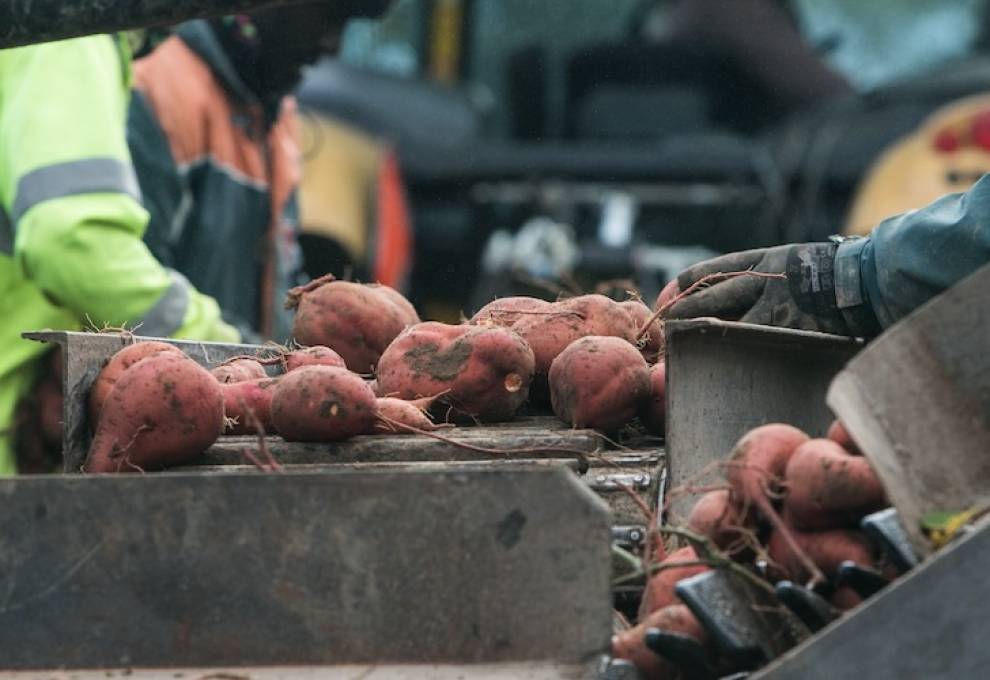
Sweet potatoes are another warm-weather crop with an Ontario connection. Ontario growers also produce bitter melon, fuzzy squash, bok choy, daikon radish, edible amaranth and other vegetables that consumers may not immediately associate with Canadian agriculture.
Then there’s ginseng. Ontario is the leading producer of ginseng in North America, with most production concentrated in Norfolk, Brant and Oxford counties. It’s a crop that’s particularly interesting because it takes patience: cultivated ginseng roots generally aren’t harvested until three to five years after seeding, and much of North America’s production is destined for Asian markets.
And Ontario’s unexpected local foods don’t end there. Cranberries, haskap berries, artichokes and Asian vegetables are all included in Foodland Ontario’s seasonal availability listings.
“Whether you’re shopping at a grocery store, farmers’ market or farm stand, take a closer look at where your food comes from. You might be surprised by just how diverse Ontario-grown food is,” says Arts. “This is why it is so incredibly important that we protect our farmland and our ability to grow and raise as much food as we possibly can right here at home.”
The OFA’s Home Grown campaign raises awareness of why it’s important to preserve Ontario farmland to produce local food, fuel, flowers and fibre. Learn more and sign up for regular updates on products grown and raised in Ontario at homegrownofa.ca.
Fun facts about Ontario’s unusual crops
- - Watermelon: Ontario watermelon is available from July through September.
- - Peanuts: Peanuts aren’t actually nuts — they’re legumes related to beans and peas. After the plant flowers, a “
- peg” grows downward into the soil, where the peanut pod develops underground.
- - Sweet potatoes: Despite their tropical origins, sweet potatoes are grown commercially in Ontario; farmers are using varieties that were developed specifically for our local climate.
- - Ginseng: Ontario is North America’s leading ginseng-producing region.
- - Cranberries: Ontario has commercial cranberry farms in Muskoka, and during wet harvest, ripe cranberries can be collected by flooding the growing area so the berries float to the surface.
- - Haskap berries: Also known as honeyberries, these elongated blue berries are part of Ontario’s seasonal fruit harvest.
- - Asian vegetables: Ontario farms grow everything from bok choy and daikon radish to Chinese broccoli, snow pea shoots, edible amaranth and water spinach.
Source: Ontario Federation of Agriculture September 4, 2026 news release
Standard (Image)
If latest news
Check if it is latest news (for "Latest News" page)
1 (Go to top of list)

