
01
.
As I write this column, I’m newly back from attending the annual Seasonal Agricultural Worker Program (SAWP) review meetings in Jamaica. This is where representatives from Canada’s horticulture sector, the federal government and participating Caribbean countries gather to review how the past season went, address concerns and negotiate changes for the year ahead.
They’re an important part of keeping the program working for everyone involved and for growers, the decisions made at these meetings can have a direct impact on how we recruit workers, manage our businesses and plan for the growing season. The Ontario Fruit & Vegetable Growers’ Association (OFVGA) has become an important industry partner at these discussions, helping ensure the realities of fruit and vegetable production are understood and considered as decisions are made.
This year's meeting was also a chance to celebrate a significant milestone: the 60th anniversary of the Seasonal Agricultural Worker Program (SAWP). Since its beginnings in 1966, SAWP has grown into an essential part of Canadian horticulture: for many Ontario fruit and vegetable farms, access to experienced seasonal workers is what makes it possible to plant, tend, harvest and market our crops.
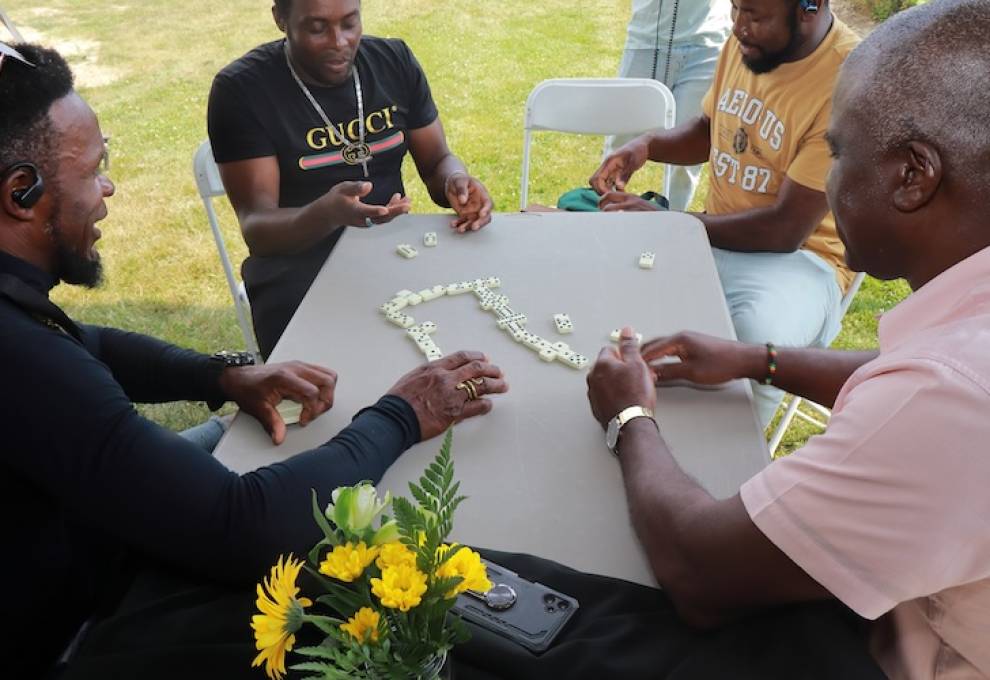
Over six decades, SAWP has also built lasting relationships between growers, workers, their families and the governments of participating countries. We've been marking this anniversary throughout 2026, including a series of videos highlighting the people and relationships behind the program, and a summer celebration that brought people together to recognize its history and contributions.
The anniversary is also an opportunity to reflect on what we need to do to keep SAWP strong for the future. That's particularly important right now as the federal government continues its work to redesign Canada's temporary foreign worker programs.
OFVGA has been actively involved in these discussions, emphasizing the importance of protecting the features that have made SAWP successful. These include its government-to-government structure, provisions that allow workers to move between approved employers, and the annual review process that provides opportunities to address problems and make improvements.
We recognize that programs need to evolve, but changes must be practical, reflect the realities of seasonal agriculture and maintain reliable access to workers. One of our challenges has been ensuring growers speak with a more consistent voice on national labour issues. OFVGA has been an advocate for bringing industry representatives together ahead of this year’s annual negotiations with Caribbean countries and Mexico to identify common priorities and develop coordinated positions.
Among the issues being addressed this year are worker housing costs and standards, work permit processing, recruitment and replacement procedures, worker transfers and increasingly complex employment contracts. These aren't just administrative details; rather, they directly affect the cost of operating our farms, the time required to manage paperwork and our ability to have workers in place when they're needed.
Building relationships with participating countries is another important part of this work. OFVGA recently met with government representatives from St. Lucia and St. Vincent and the Grenadines to discuss agricultural labour needs and opportunities to strengthen recruitment relationships.
Closer to home, we're working to establish a more formal structure for Ontario's Labour Issues Coordinating Committee to strengthen collaboration and coordination on provincial labour priorities. We're also working on addressing practical concerns, including clarification of driver's licence requirements for international workers operating larger passenger vehicles, and supporting bicycle safety awareness for seasonal workers and motorists.
Labour will continue to be one of the most important issues for Ontario's fruit and vegetable sector, but the 60th anniversary of SAWP reminds us of what can be accomplished when growers, workers and governments work together. Our focus and our responsibility are to build on that success, address the challenges we face today and ensure the program remains a dependable part of Ontario fruit and vegetable production for decades to come.
Standard (Image)
If latest news
Check if it is latest news (for "Latest News" page)
1 (Go to top of list)

