
01
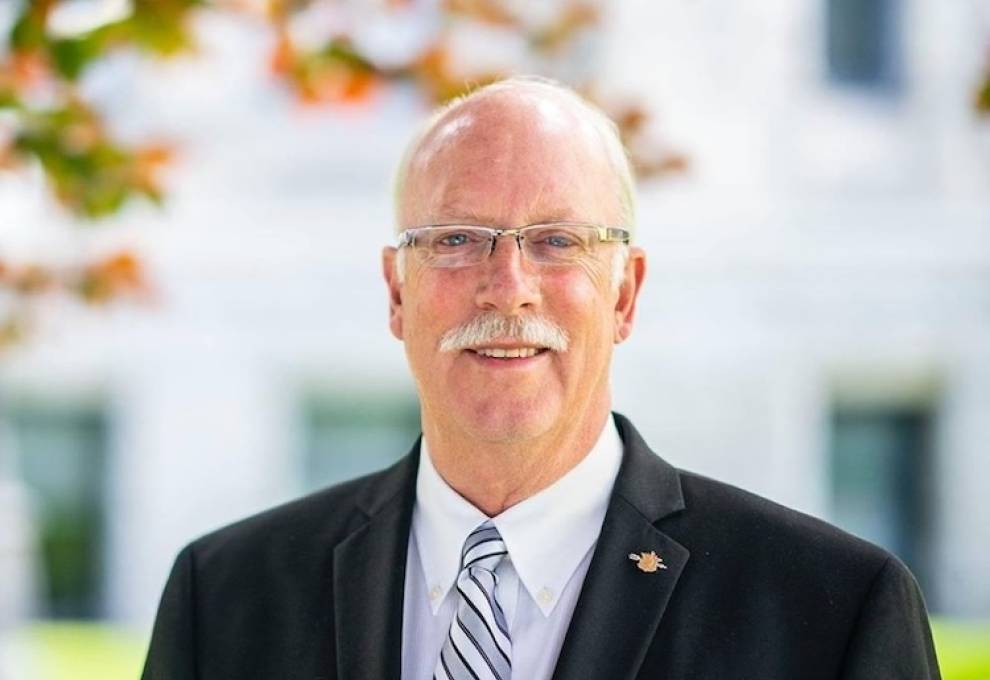
Photo courtesy of Delta Optimist
As expected, British Columbia’s new agriculture minister is third-generation farmer Ian Paton (Delta South). Previous to the October 24 election, he had served as the official shadow minister/agriculture critic for the BC Conservatives. As a dairy farmer near Delta, he has gained deep experience in the province’s ag sector. Delta South has one of the highest densities of greenhouses in BC.
During the election, the BC Conservatives proposed modernizing the 50/50 on-farm processing rule which allowed a food processing facility to operate on Agricultural Land Reserve (ALR) land without Agricultural Land Commission (ALC) approval when at least 50 per cent of its ingredients comes from the specific farm itself or from fellow member farms of an industry association. In addition, the Conservatives want to remap the ALR using modern soil and mapping technology, roll back restrictions on Agricultural Land Commission decisions, and strengthen governance against misuse or non-compliance. Established in 1973, the intention of the ALR is to protect BC’s limited, high-capacity farmland from urban sprawl, real estate speculation, and non-agricultural development.
As part of the Conservative platform, there was a promise to address on-farm housing arrangements linked to agricultural work. And the politicians want earlier warnings on farm water supplies, evidence-based triage of affected crops and a role for farmers in watershed planning.
The snap election stalled the Premier’s Task Force on Agriculture and Food Economy which had published 32 recommendations. Assessments for potential AgriRecovery support following wildfires and drought also came to a halt. Newly minted premier Lorne Doerkson does not plan a fall sitting of the legislative assembly. These issues will be on the front burner in 2027.
Source: Staff
Standard (Image)
If latest news
Check if it is latest news (for "Latest News" page)
1 (Go to top of list)

